
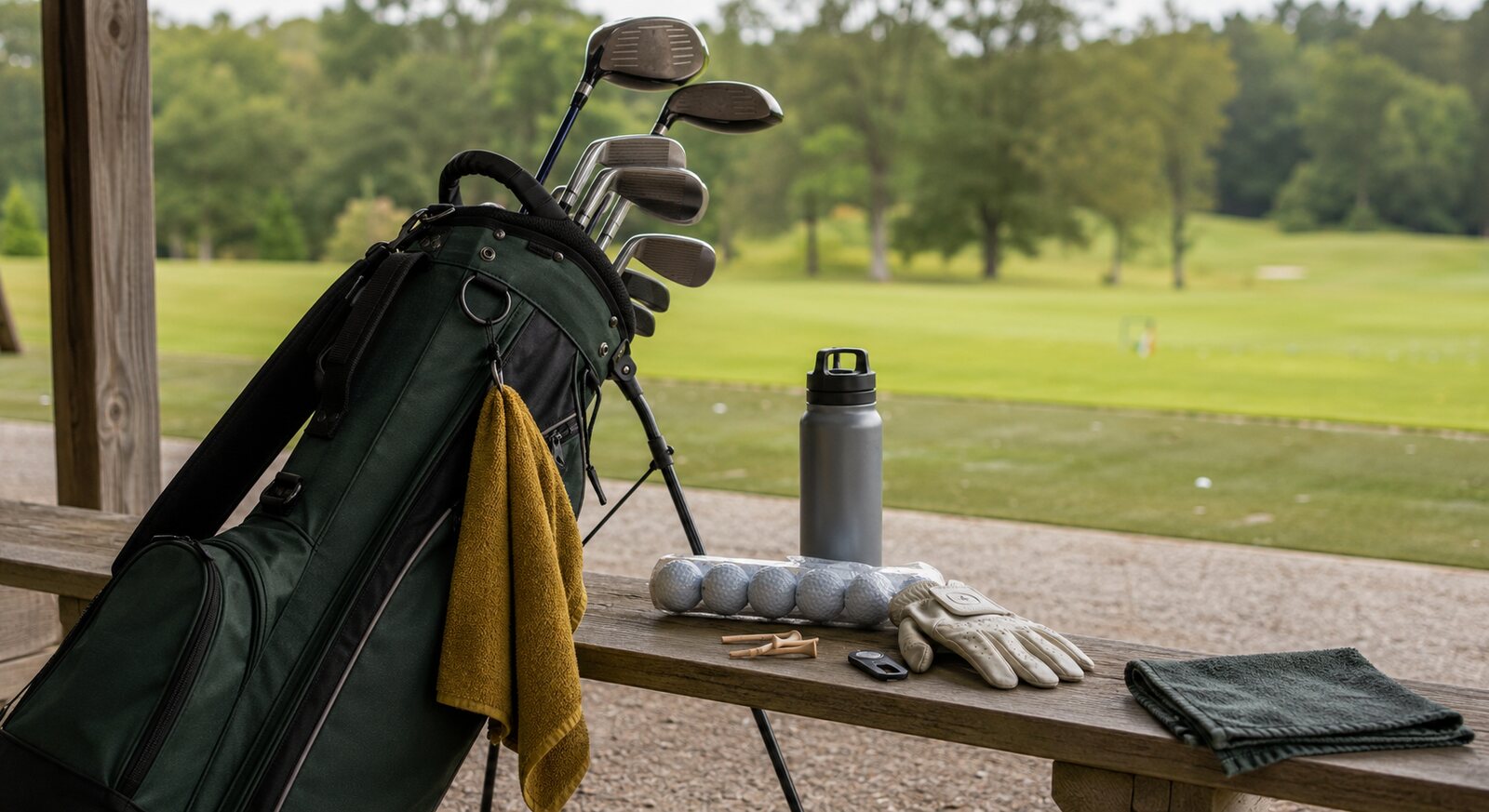
Direct answer: Beginners can often buy used irons, hybrids, fairway woods, putters, and bags when condition and fit are reasonable. Prioritize a playable set from a reputable seller over a premium model with unclear history.
- Buy the job the club needs to perform, not the logo.
- Inspect face, grooves, shaft, grip, hosel, and head security.
- Confirm length, handedness, set composition, and return policy.
- Avoid counterfeits and deals with missing specifications or unverifiable photos.
The plan at a glance
| Category | Used can make sense when | Extra caution |
|---|---|---|
| Irons | Set is consistent and faces/shafts are sound | Missing clubs or mismatched shafts |
| Hybrid/wood | Head and shaft are secure and condition is clear | Cracks, dents, or counterfeit risk |
| Putter | Length and setup feel comfortable | Buying only for brand prestige |
| Wedge | Grooves and face are in suitable condition | Heavy wear that changes expected performance |
Start with a bag plan
List the jobs you need: tee shot, longer fairway shot, several approach distances, a simple short-game option, and putting. You may carry fewer than the 14-club maximum.
A partial set with sensible gaps is more useful than a random collection of famous models.
Inspect before paying
Look for structural damage, loose heads, bent or damaged shafts, major face wear, and grips that require immediate replacement. Ask for clear photos and exact specifications.
Cosmetic marks usually matter less than structural condition, but the seller should disclose both.
Use sellers and policies you can verify
Reputable local shops can provide hands-on inspection and sometimes fitting help. Established used-club sellers may offer condition ratings and return windows.
Marketplaces can be cheaper, but counterfeit risk and incomplete listings require more caution. Do not send payment outside the platform’s protection process.
Know when new is reasonable
New can make sense when fitting, warranty, a hard-to-find specification, or a complete starter package solves a real problem within budget.
This guide does not include affiliate product links. Compare local used options and total ownership cost, including grips and any needed adjustments.
Sources and scope
Rule reference: USGA — Clubs.
Your next step
Download the free Break 100 Practice Checklist to identify the priority. When you want four weeks already scheduled, use the 4-Week Break 100 Practice Plan.
Related: How to Break 100 in Golf and the five-stroke-leak audit.